Rio Xingu Freshwater Stingray Photography Expedition
September 2025
September 2025
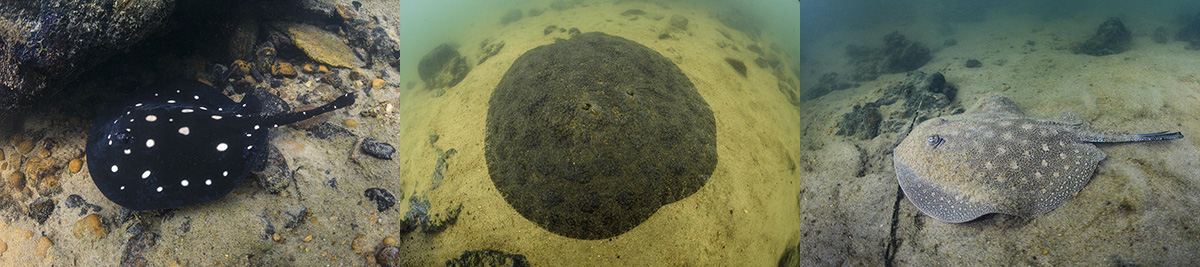
In September 2025, I flew to Altamira with photographer Julian Gunther to look for endemic stingrays in the upper Rio Xingu. We met up with local indigenous guide Jailson Juruna; an experienced fisherman and ex-commercial fish collector who was kind enough to invite us into his home and allowed us to enter restricted tribal land in the heart of the upper Xingu.
We spent four days exploring the river and managed to photograph three species of freshwater stingrays including two species that are only found in the upper Xingu.
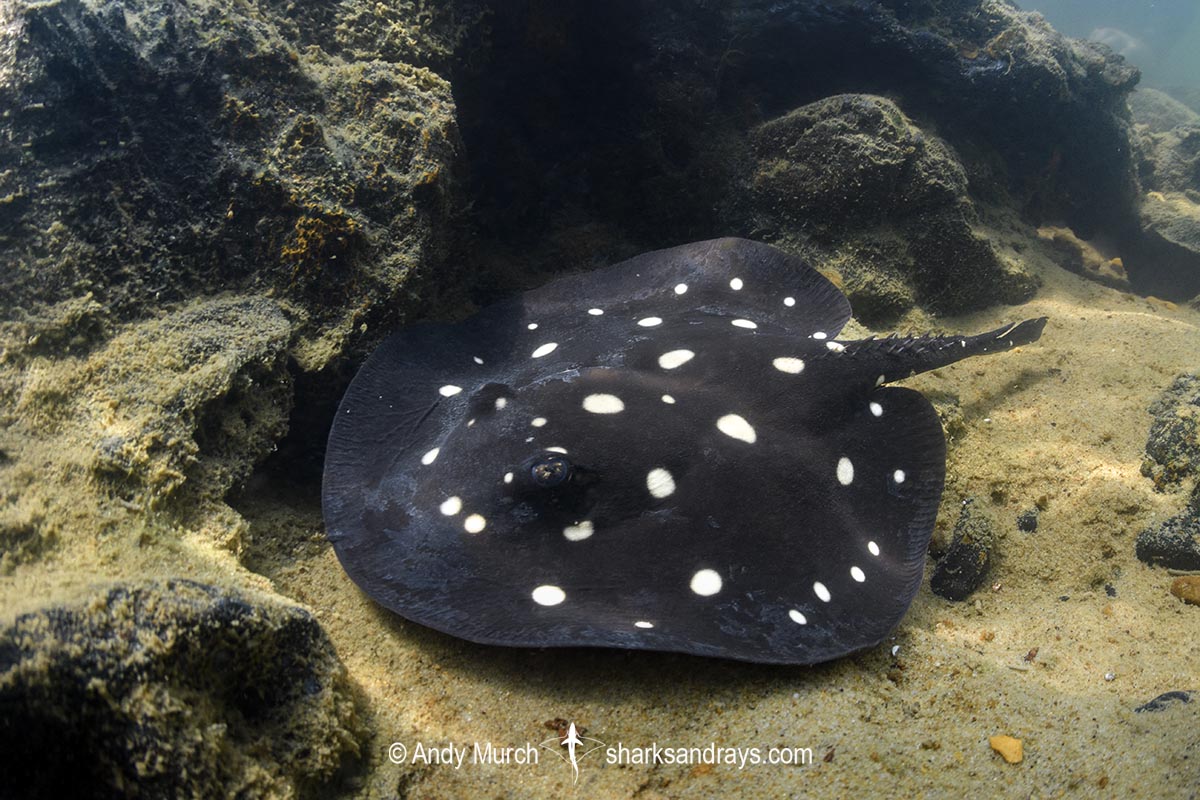
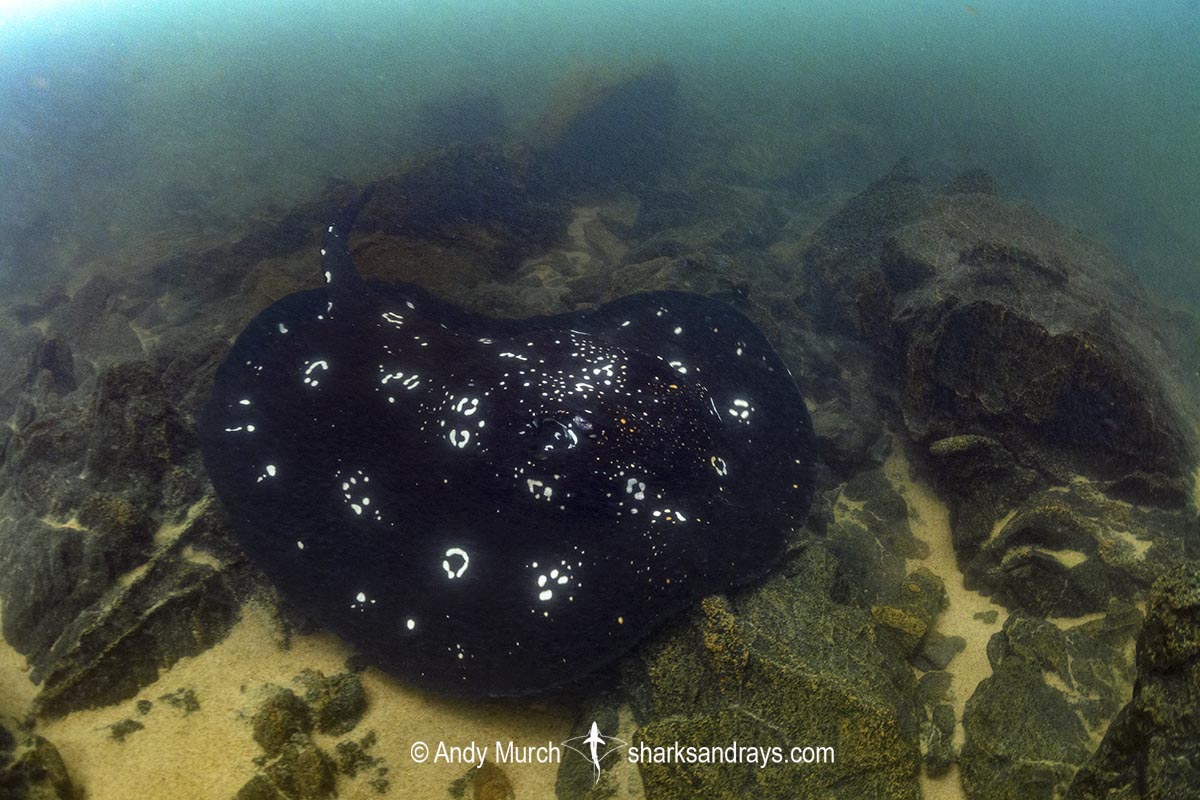
The most iconic species from the region that we were keen to document was the Xingu River Stingray (Potamotrygon leopoldi). I saw around thirty Xingu Rays in all life stages from small juveniles with bold white polka dots to large mature animals with broken irregular rings and white speckles.
The second upper Xingu endemic species that we encountered was the Xingu Discus Ray (Paratrygon cf. aeriaba). This ray is closely related to the widespread Discus Ray (Paratrygon aeraiba) but differs subtly in genetics, morphology, dorsal pattern, and behavior. It is expected to be officially described as a separate species in early 2026.
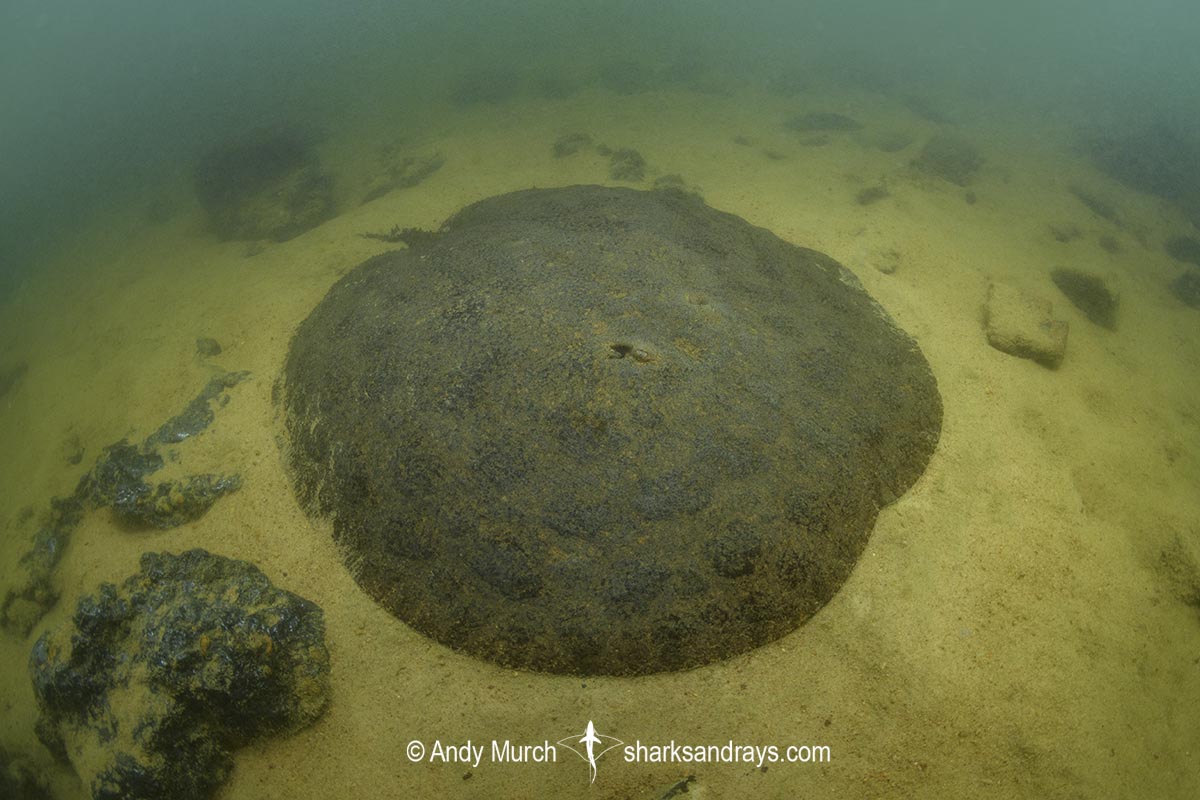
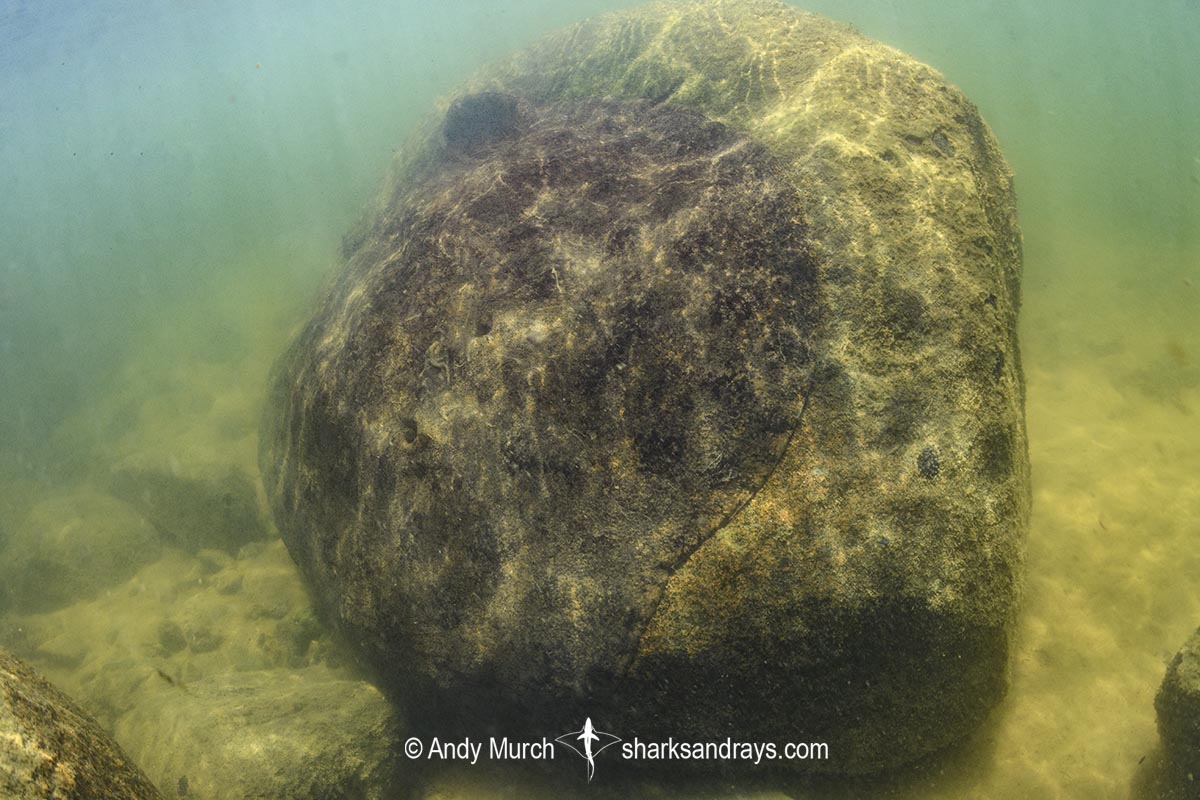
Interestingly, we found one of these enormous rays stuck to the side of a vertical boulder like a limpet; a behavior not recorded before in other Paratrygon rays. This behavioral adaptation makes sense in the upper Xingu which is much rockier than other discus ray habitats.
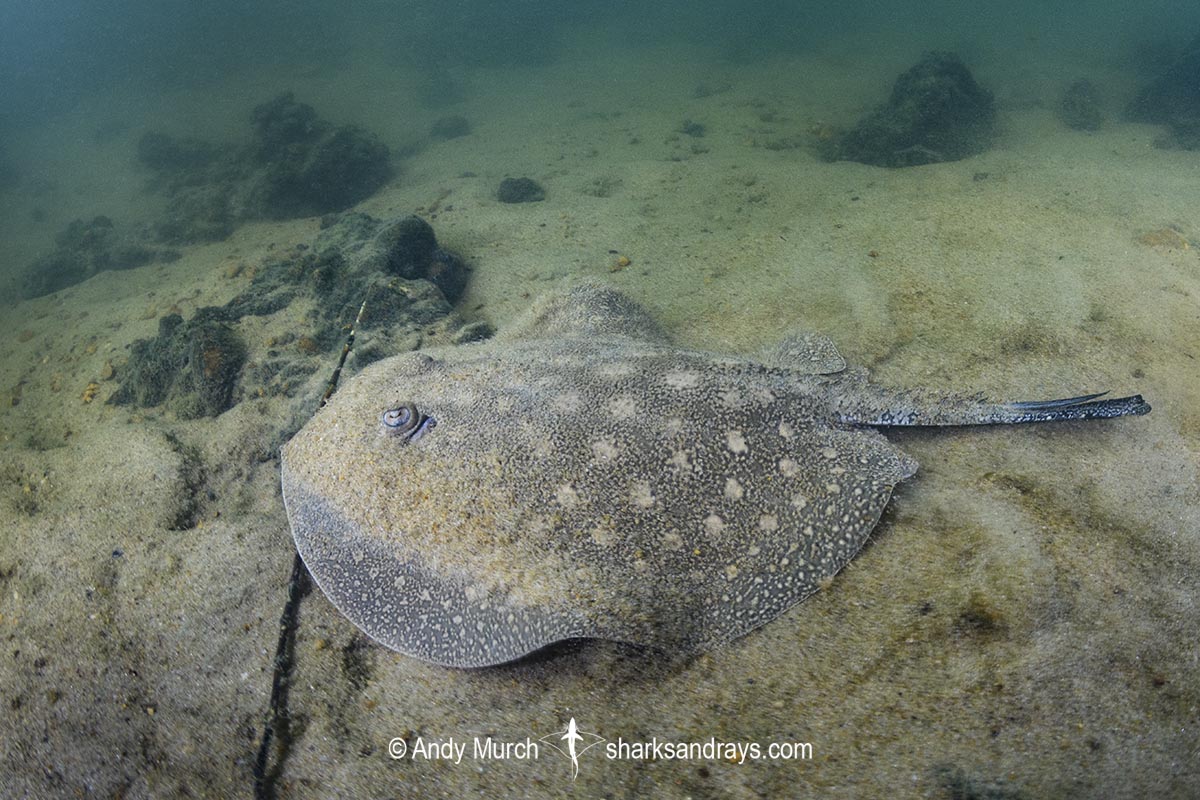
The third species we found in the Rio Xingu was the Smooth-back River Stingray (Potamotrygon orbignyi); a widespread species that occurs from the Amazon Basin to the Parana-Paraguay Basin. I have photographed this species much further south on the border of Para and Mato Grosso, but there is evidence that P. orbignyi is a species complex so its good to get images from multiple locations.
The Smoothback Rays were particularly skittish; almost always initially buried and bolting at the first sign of discovery leading to limited and extremely challenging photography opportunities!
Further downriver, below the controversial Belo Monte Dam, there are reputedly at least two more species that I would eventually like to target. I am planning to return in 2027 to explore the lower Xingu on scuba, which would be a better option in the deeper main channel.
Here is a short video from our 2025 Upper Xingu Stingray Photography Expedition:

© 2026 Sharks and Rays. Big Fish Expeditions