Rio Salobra Freshwater Stingray Photography Expedition
June 2025
June 2025
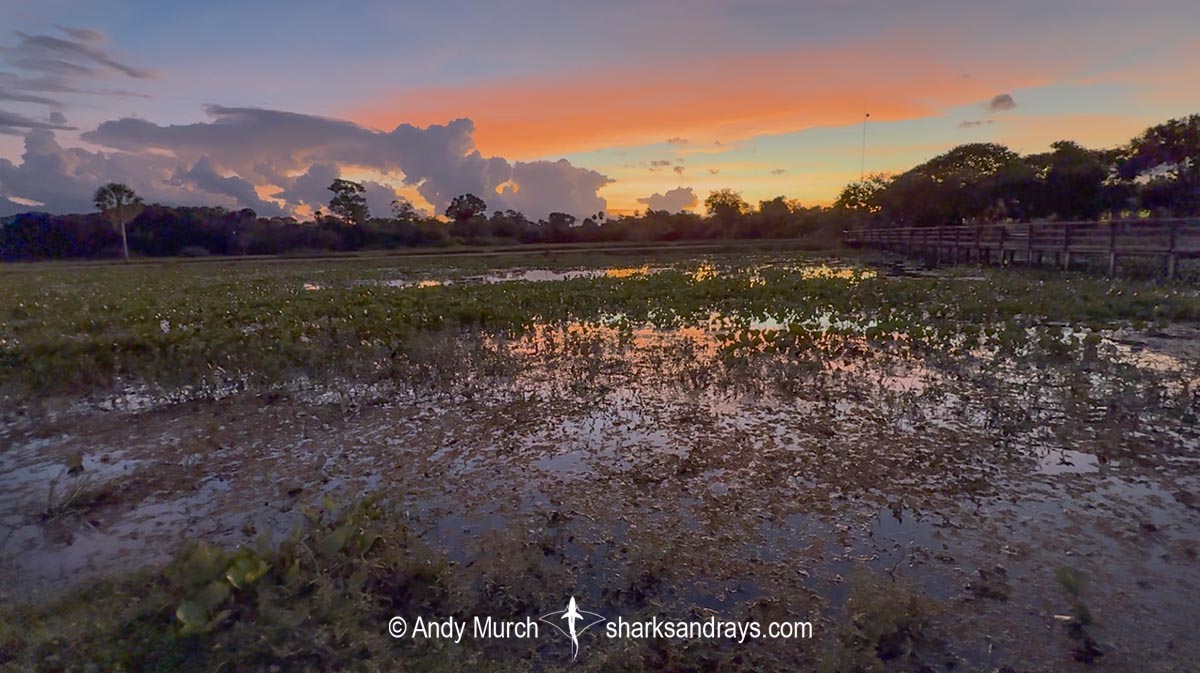
In June 2025, I flew to Campo Grande to look for endemic stingrays in the Rio Salobra Delta; a tributary of the Rio Miranda in Mato Grosso do Sur in Southern Brazil.
June is at the end of the rainy season, when the Rio Salobra is a crystal clear body of water that is ideal for chasing endemic stingrays, that are abundant in some sections of the river. At this time of year the river is 4-5 meters deep in some sections and there is no infrastructure for diving in the immediate area, so I arranged for a dozen scuba tanks to be shipped in for the expedition.
My base was Refugio da Ilha; a fantastic lodge right on the bank of the river. I knew I had found the right spot, when the owner showed me videos of stingrays swimming through their restaurant during the flood season!
I had heard that it was possible to see numerous species in this area including the widespread peacock river stingray (P. motoro), the largespot river stingray (P. falkneri), Amanda’s river stingray (P. amandae), and the Pantanal River Stingray (P. pantanensis).
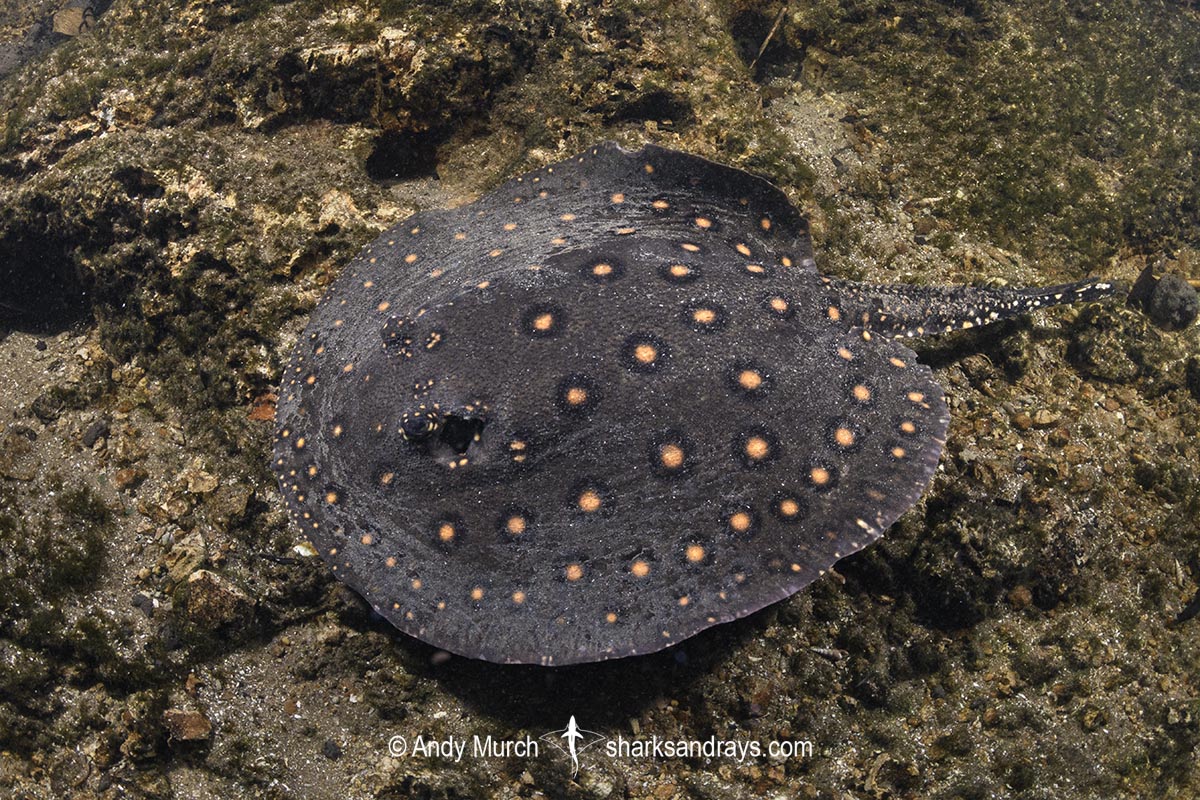
As expected, I encountered many peacock river stingrays aka ocellate river stingrays (Potamotrygon motoro). Each day on the river including scuba dives and long snorkeling sessions covering many kilometers on each immersion, I counted at least a dozen motoro rays.
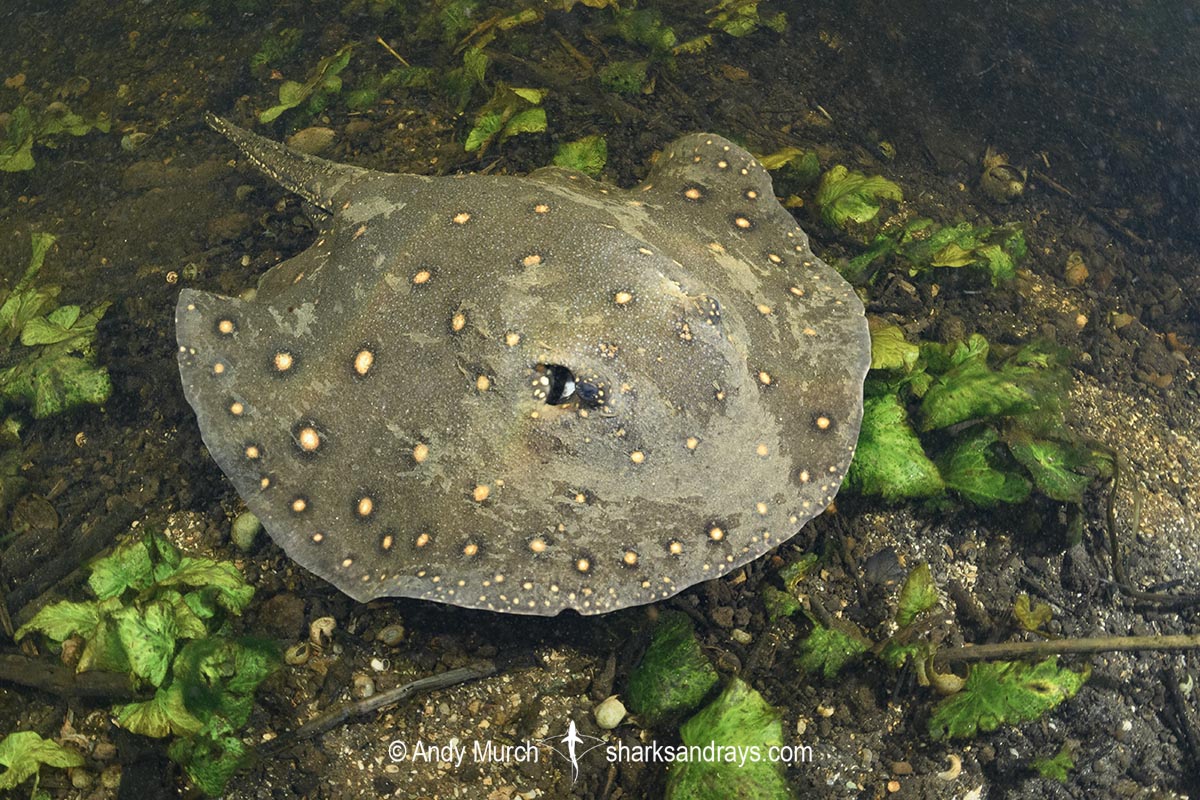
Largespot river stingrays (Potamotrygon falkneri) also appeared to be abundant in the Rio Salobra; almost as prevalent as motoro rays. I have photographed this species further north in the Rio Triste, but the ones in the Rio Salobra – especially the juveniles – seemed to have more vibrant colours.
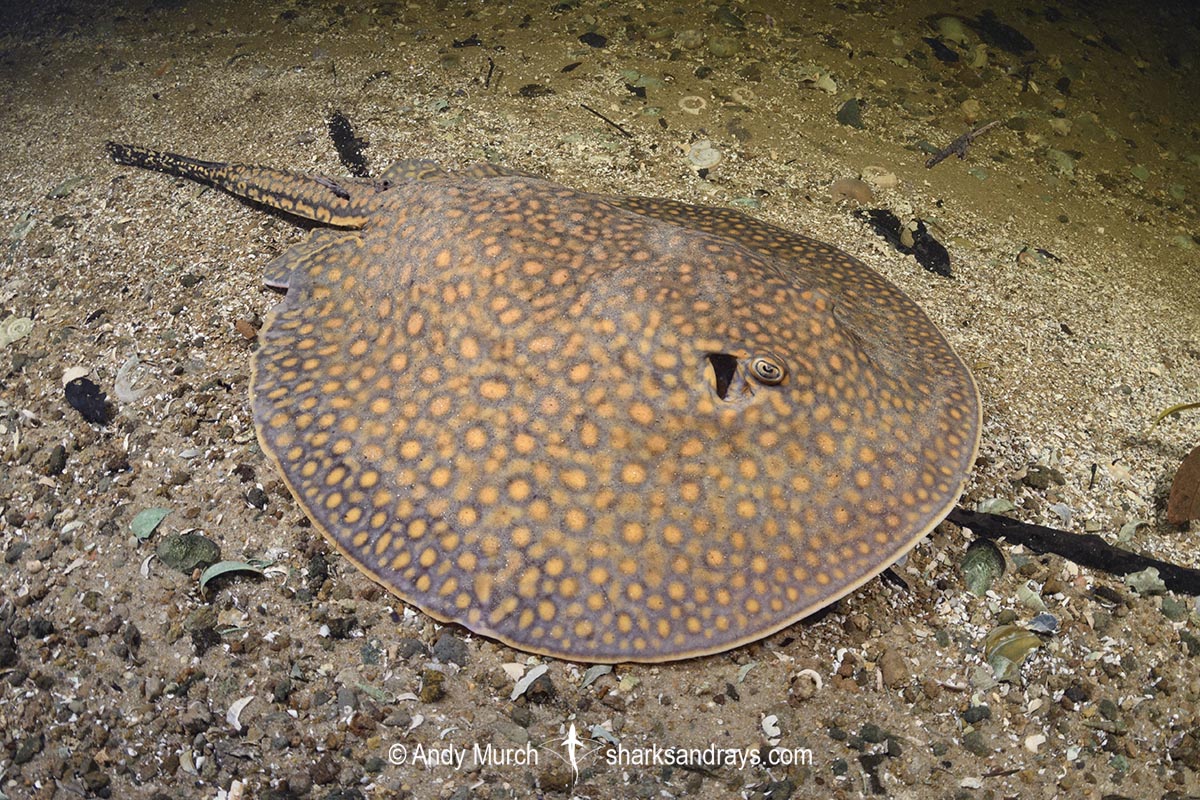
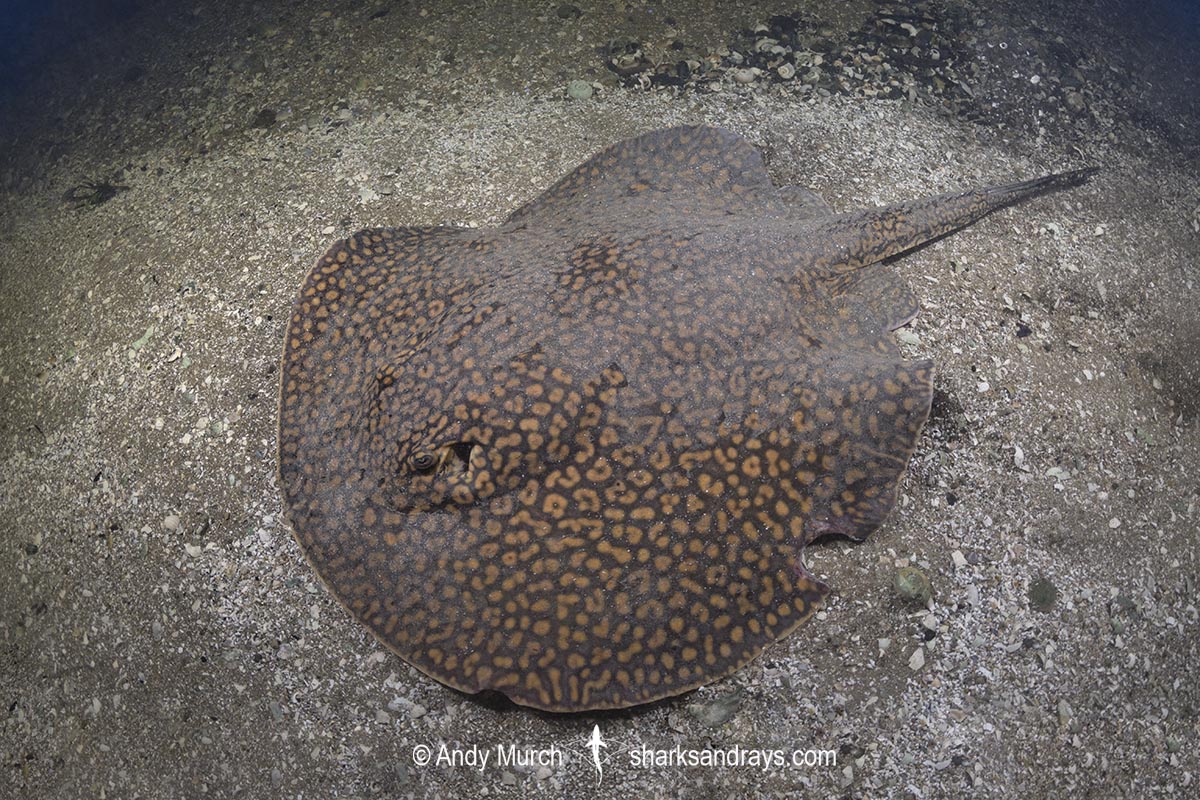
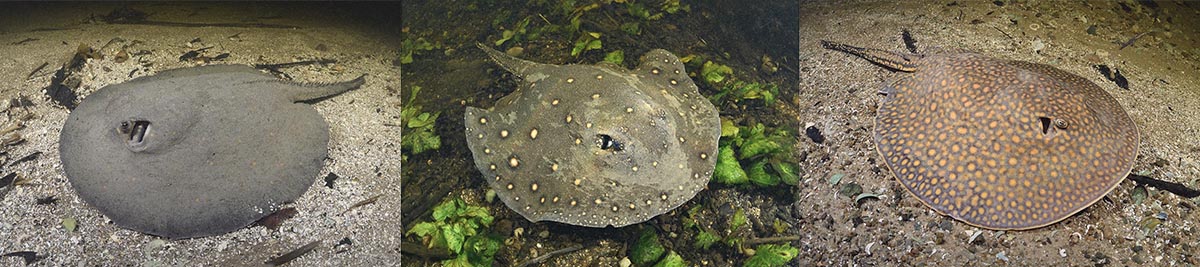
I came across a handful of rays that were almost devoid of markings, which made identification difficult. When I returned to Campo Grande, I showed the images to Brazilian researcher Heriberto Gimenes who confirmed they were Amanda’s River Stingray (Potamotrygon amandae)a based on their subtle yellow spots, spiracle shape, and overall proportions. This was great news because I had not seen this species before. On subsequent expeditions, I look forward to finding more Amanda’s stingrays, hopefully with clearer markings.

The final species that I stumbled upon was the Parana River Stingray (Potamotrygon schumacheri) This was an extremely surprising find because there is very little information about this species, and I had heard some speculation on whether it was a valid species at all. However, the ray that I found perfectly matched the drawings and available data I had seen of this species and my tentative ID was confirmed later by researchers.

I ended up finding two or possibly three Parana river stingrays, although one could have been an unusually patterned largespot river stingray. Interbreeding is relatively common among potamotrygonids, so it could also have been a hybrid.

I had hoped to find a Pantanal river stingray, but after a thorough search of this section of the Rio Salobra I did not see any. Heriberto told me they are more common in the Rio Vermelho and in the Rio Paraguai Mirim, so I will continue my search for them on a future expedition.
Check out this short video of my Freshwater Stingray Expedition to the Rio Salobra:

© 2026 Sharks and Rays. Big Fish Expeditions