
Common names
Cururu Stingray, Wallace’s Freshwater Stingray, Hystrix Ray.
Binomial
Potamotrygon wallacei.
Synonyms
None.
Identification
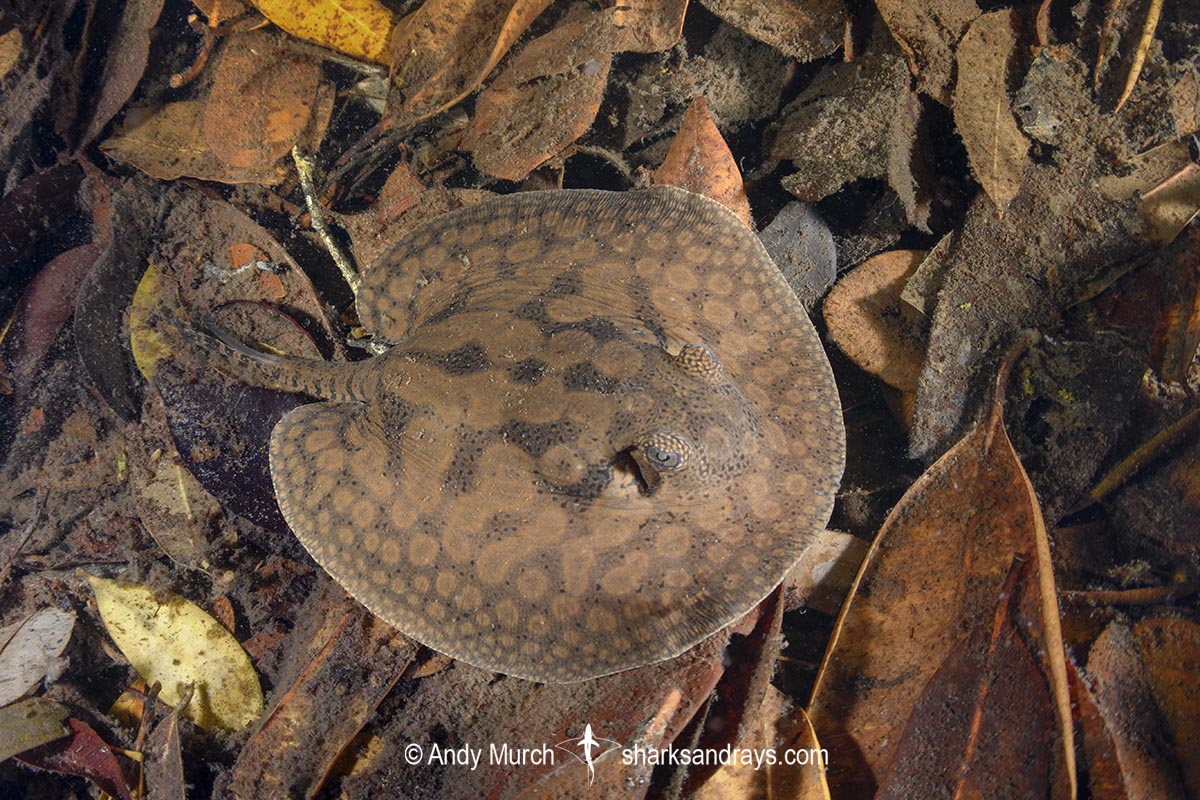
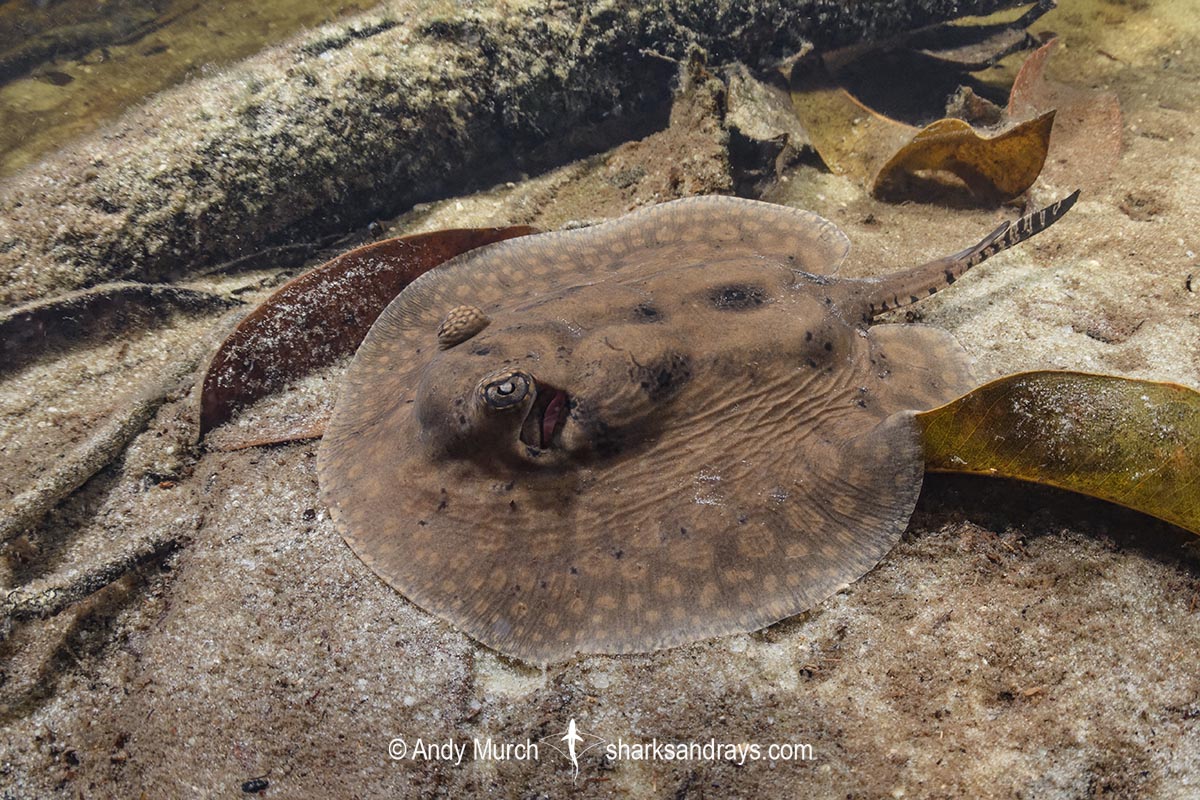
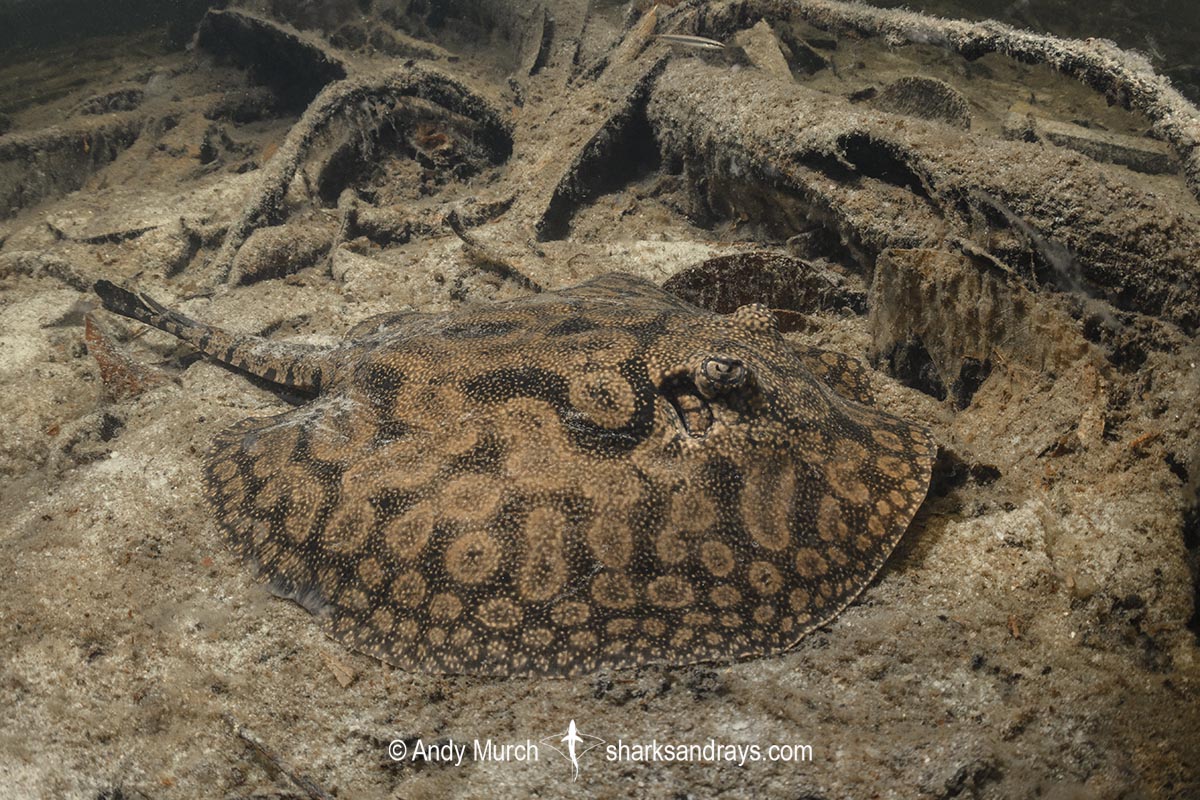
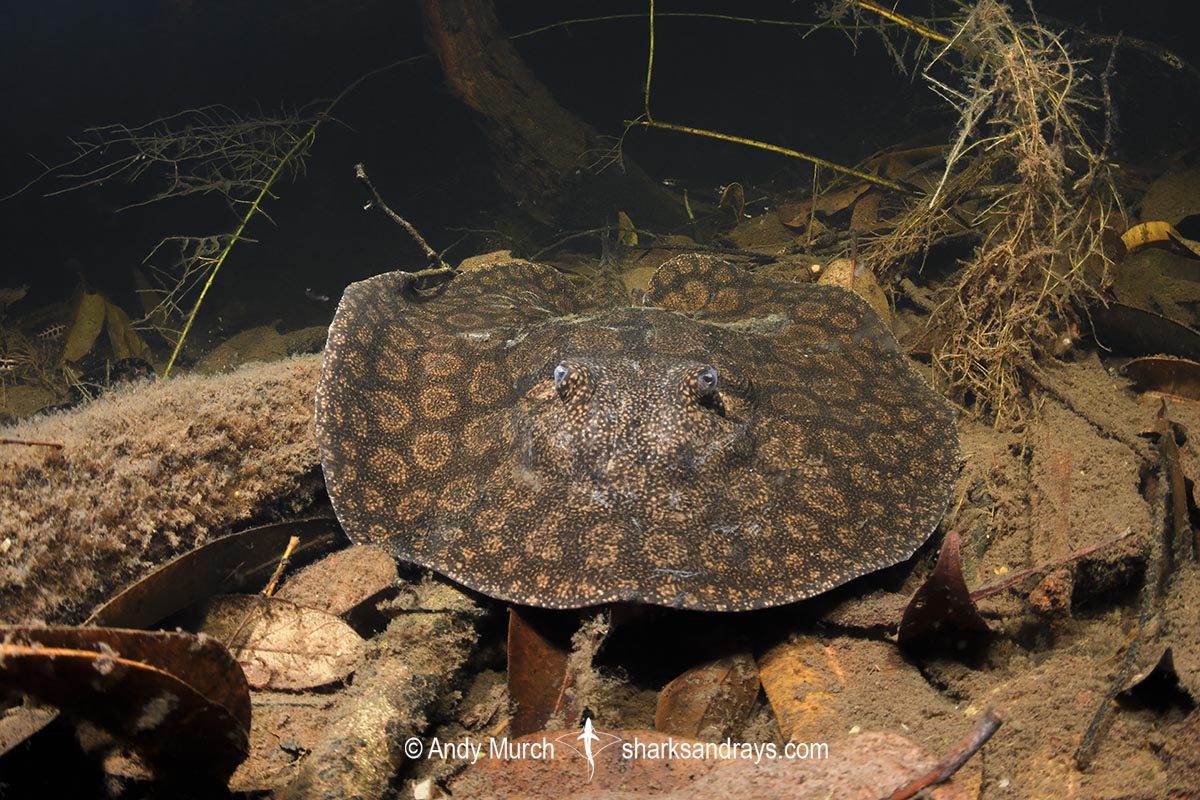
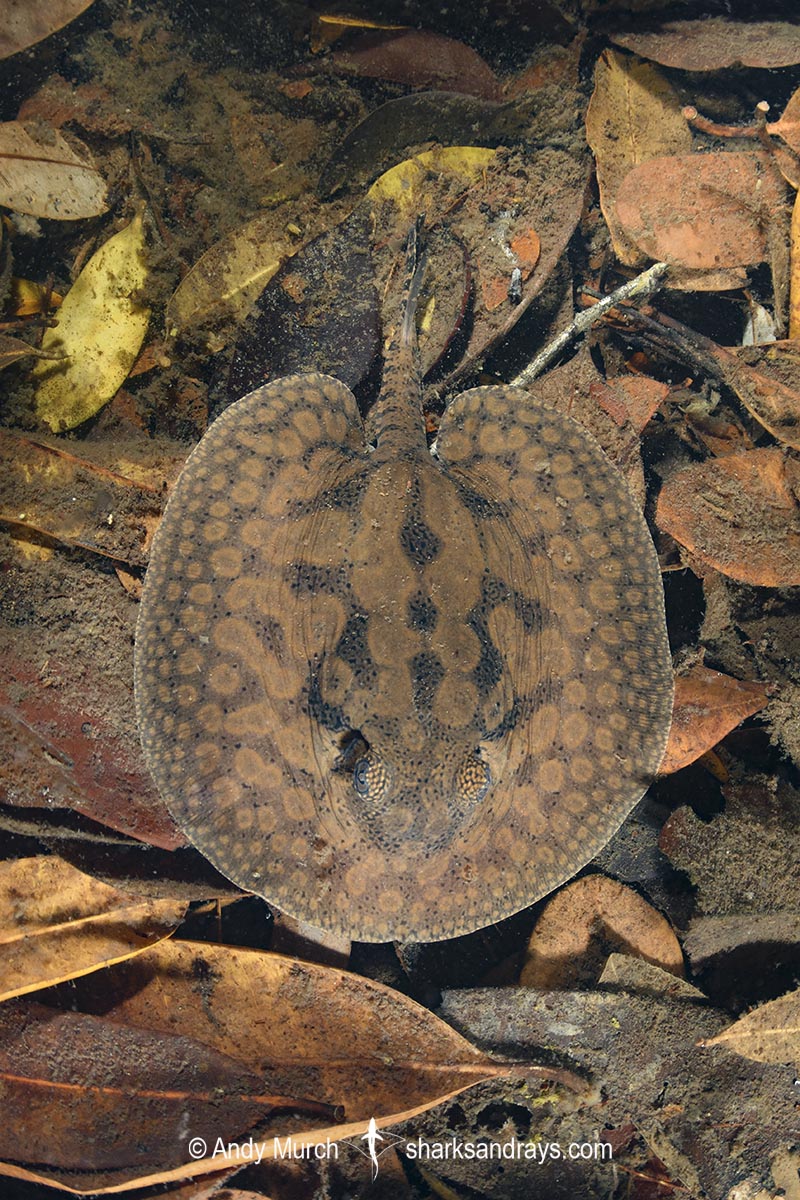
A very small freshwater stingray with a sub-circular disc that is slightly longer than wide. Very small lobe on tip of snout. Eyes bulging. Spiracles relatively large; 1.5-2x orbit size. Nostrils short and thin. Trapezoid nasal curtain. Labial furrows absent. Mouth with 5 oral papillae.
Sparse small dermal denticles on dorsum; more densely grouped towards mid-disc. Pelvic fins wide, posterior margins mostly hidden under disc. Tail broad based, equal to or slightly longer than disc width. Deep dorsal and ventral finfolds. Narrow lateral folds on tail. Single irregular row of short thorns on midline of tail to caudal sting. Caudal sting slender but well developed.
Colour
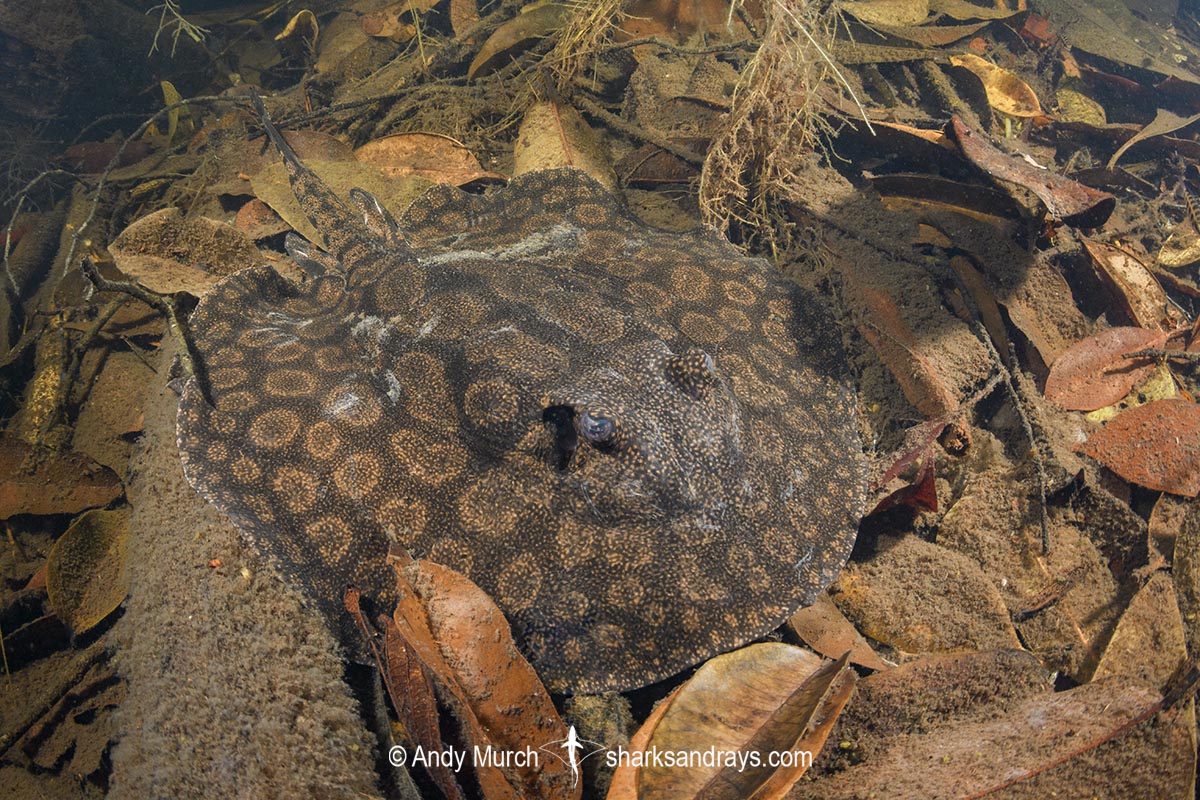
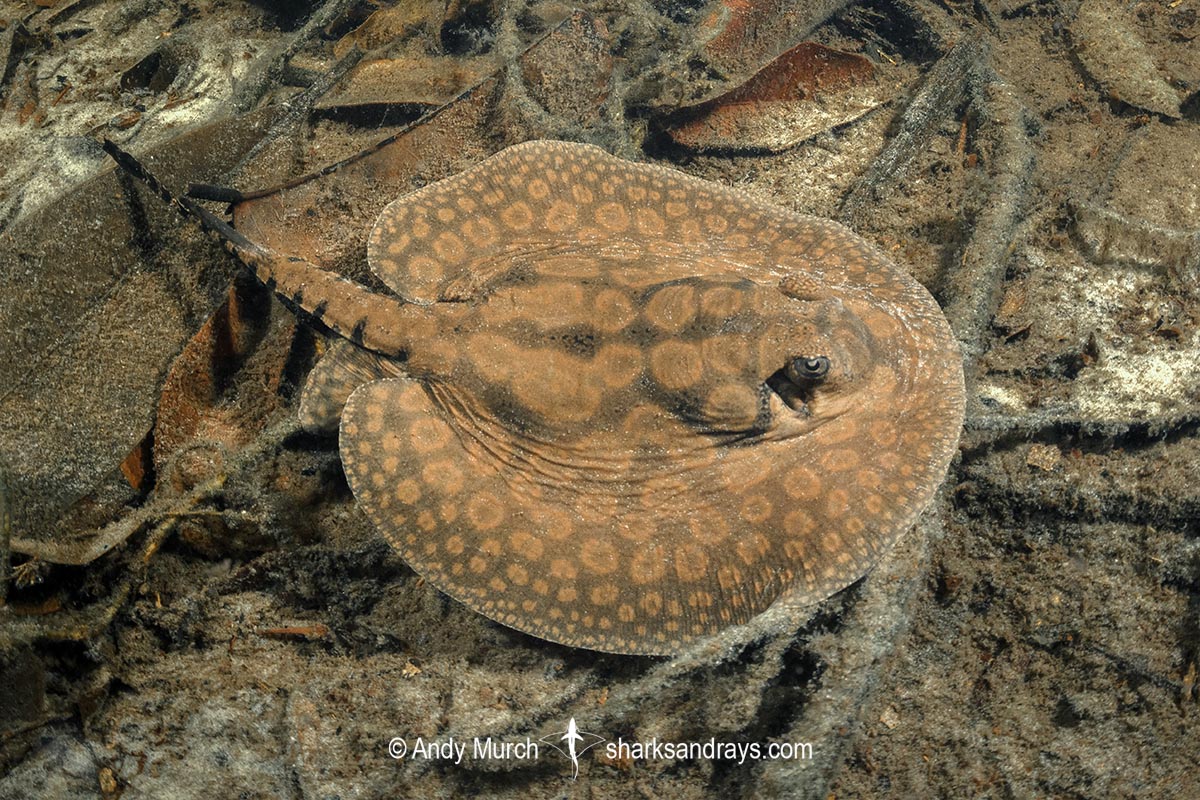
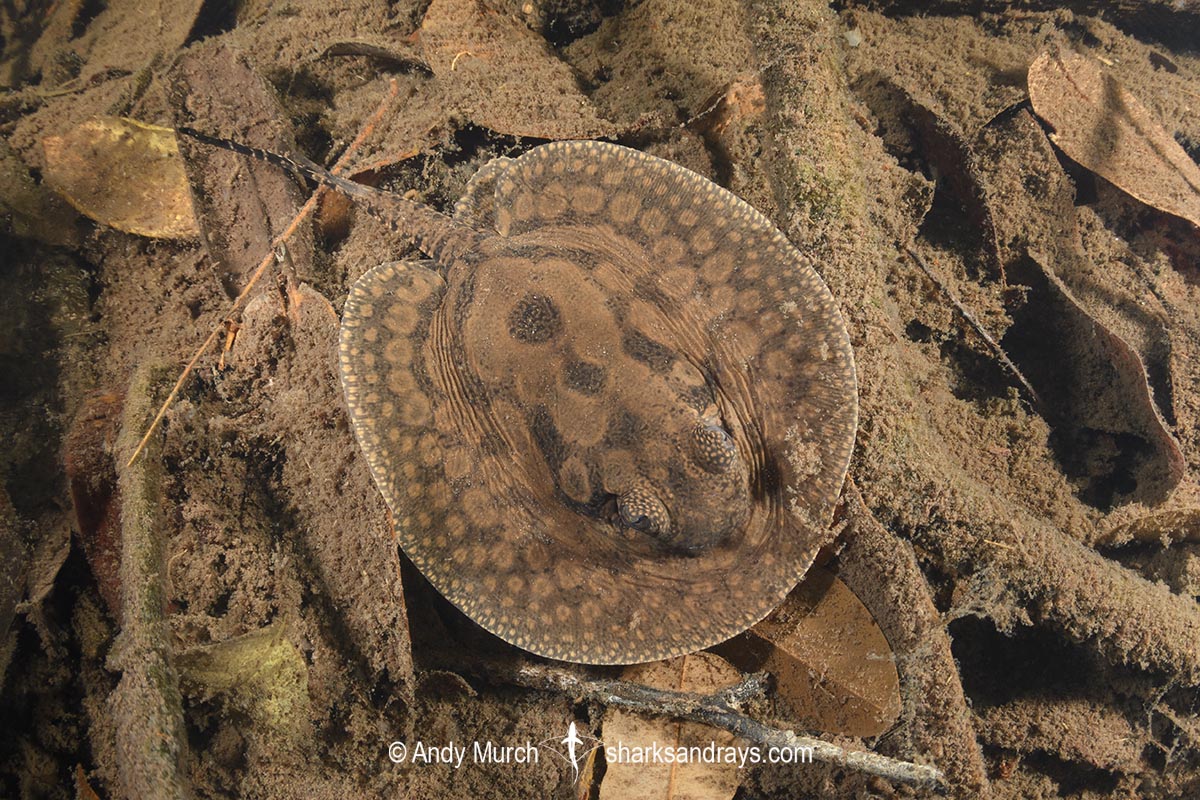
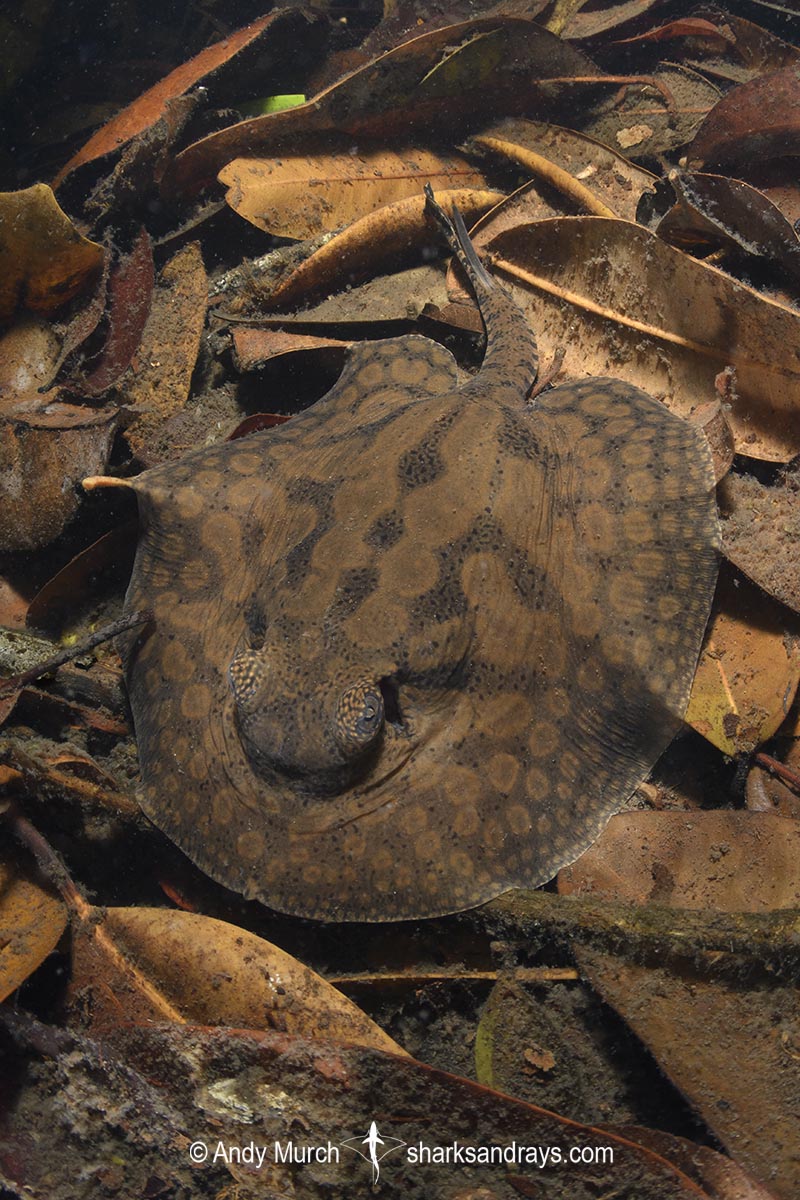
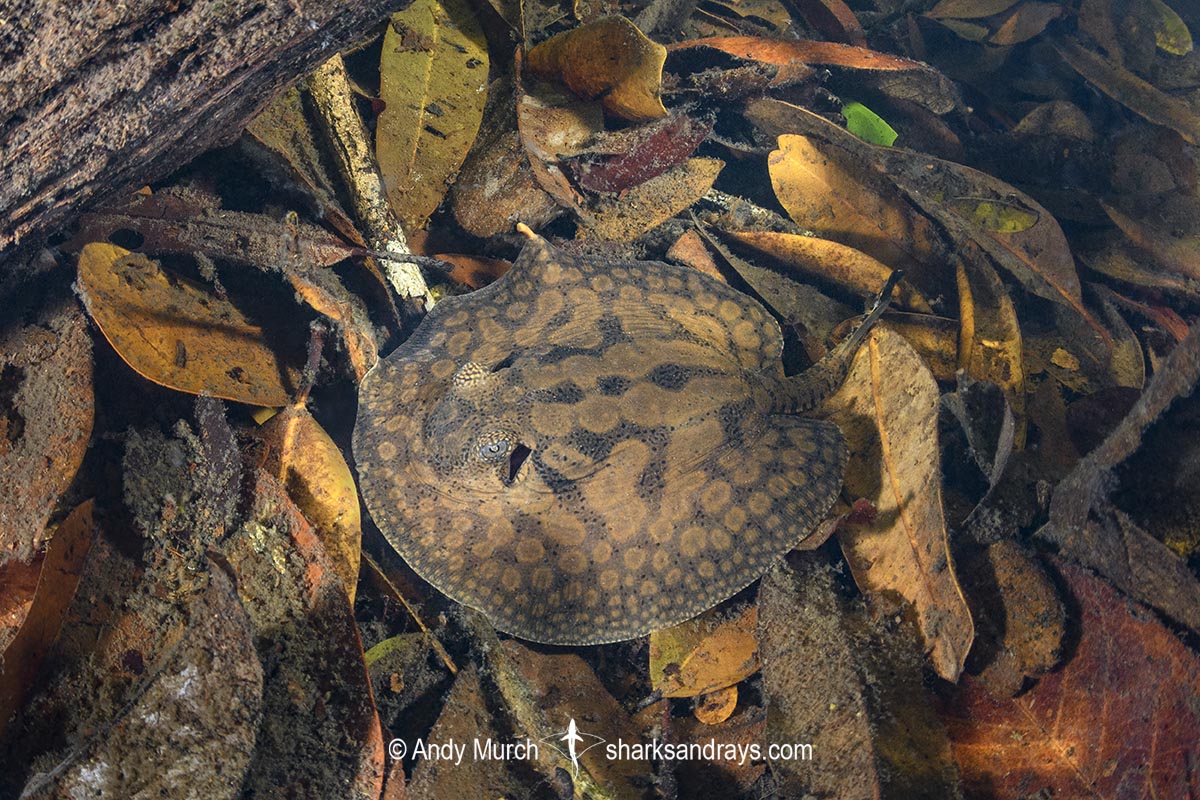
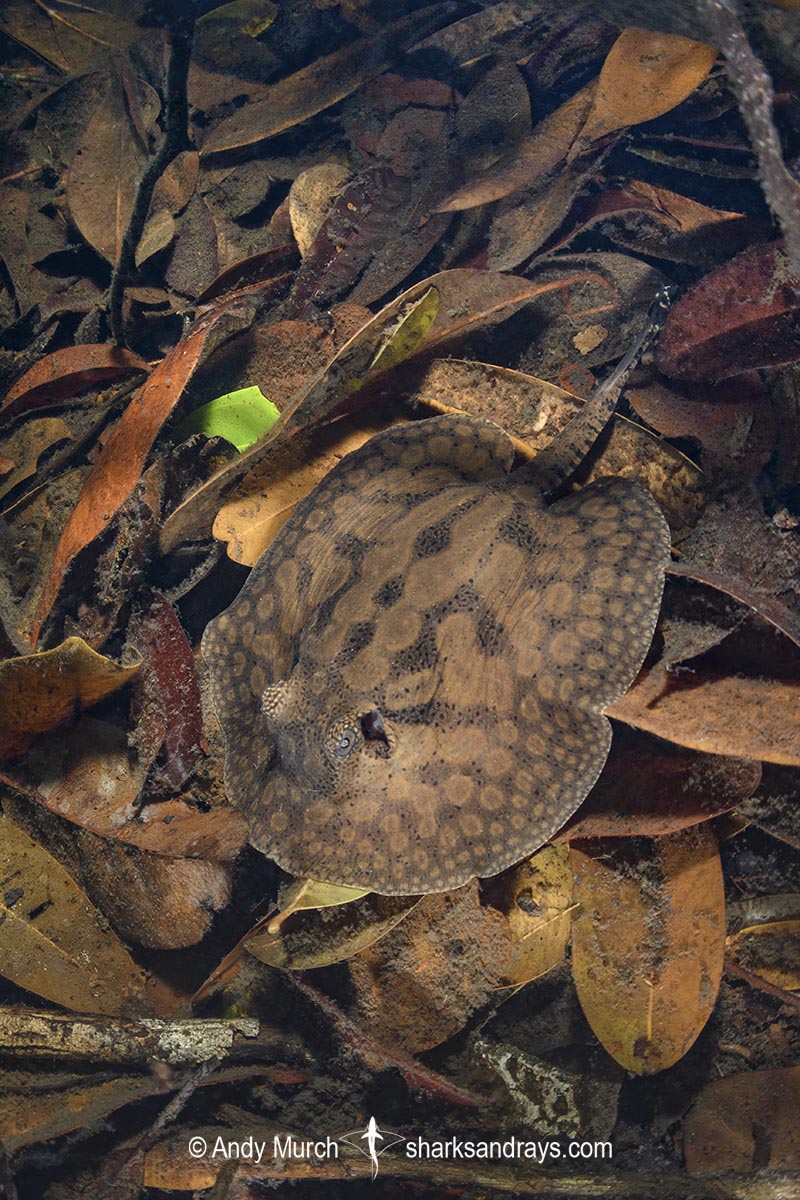
Dorsum light to dark brown with large irregular spots ringed in darker brown or black. In juveniles, central spots form a brain-shaped mass which breaks up into distinct spots in larger adults. Spots much smaller near disc margin. Ventrum whitish with dark brown margins.
Size
Maximum disc width at least 27cm. Disc width at birth 6-10cm.
Conservation Status
NOT ASSESSED
The Cururu Stingray has not been assessed by the IUCN. Large numbers have been collected for the ornamental fish trade. Combined with habitat degradation caused by the damming of rivers, mining, deforestation, and farming run off, there have probably been declines in all Potamotrygonid species.
Habitat
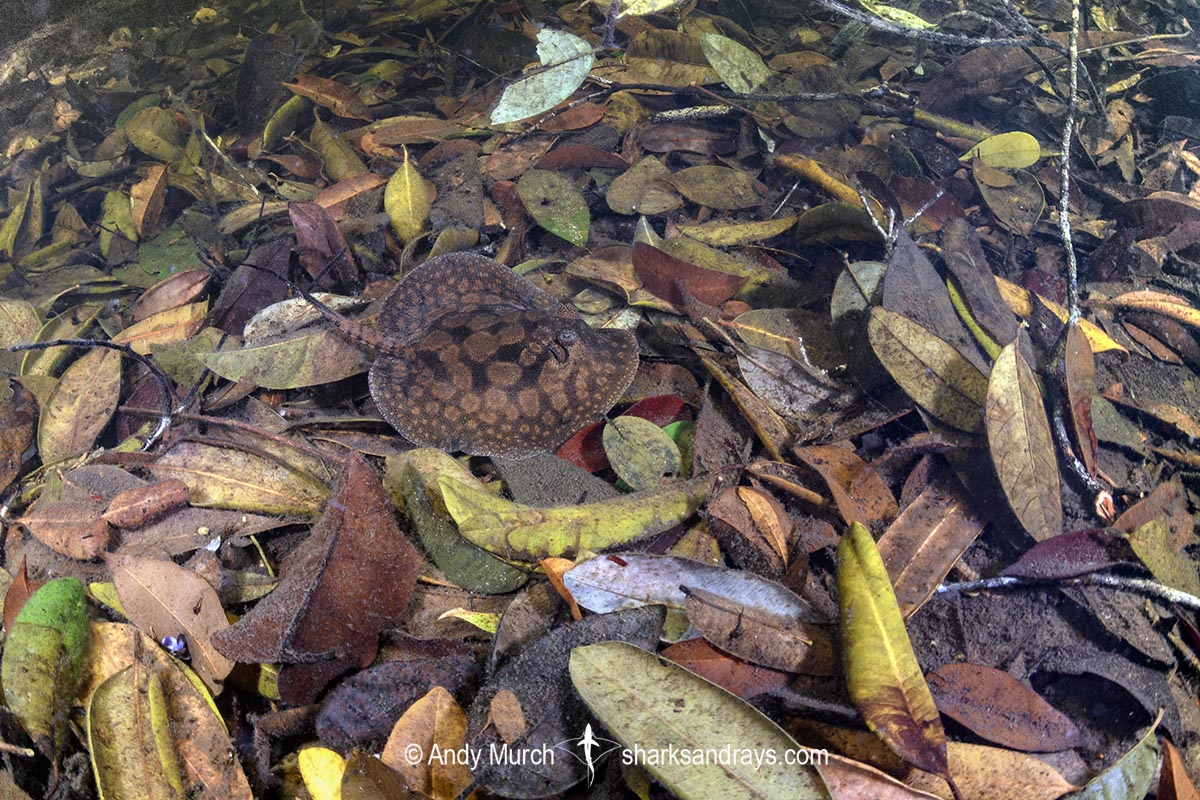
Tropical freshwater river systems. Favours shallow streams filled with leaves.
Distribution
South America. The Cururu stingray is endemic in the mid to upper Rio Negro and its tributaries.
Reproduction
Viviparous. Up to 5 pups per litter but usually 2.
Diet
Diet consists of invertebrates and small fishes.
Behavior
Buries when threatened, but generally rests on top of the leaf litter relying on its camouflage. Sometimes propels itself forward by pushing against the substrate with its pelvic fins.
Reaction to divers
Very easy to approach. Remains motionless relying on camouflage unless harassed.
Diving logistics
The cururu ray is abundant in small streams feeding into the Rio Jauaperi. Most of the river flows through parkland that is protected from fish collectors and sport fishermen. Entry can only be obtained by traveling upriver with local guides.
Other tributaries of the Rio Negro closer to Barcelos are apparently also good places to find this species.
What’s new
View our full list of updates
Similar species
Peacock Freshwater Stingray (Potamotrygon motoro) Usually with bright orange/yellow centred spots but the variant in the Rio Branco region have brown spots with no bright centers. Spots generally more circular, on a plain brown background.
